Super Pubic Catheter Leaking Full Files Vids & Images Access
Jump In super pubic catheter leaking high-quality content delivery. No hidden costs on our digital playhouse. Experience fully in a vast collection of series highlighted in superb video, a must-have for dedicated streaming admirers. With up-to-date media, you’ll always be ahead of the curve. Encounter super pubic catheter leaking tailored streaming in retina quality for a deeply engaging spectacle. Hop on board our network today to watch VIP high-quality content with cost-free, free to access. Be happy with constant refreshments and browse a massive selection of exclusive user-generated videos intended for superior media savants. Act now to see hard-to-find content—download immediately! Experience the best of super pubic catheter leaking unique creator videos with vivid imagery and unique suggestions.
Understand the factors that can contribute to suprapubic catheter leakage, including anatomical differences, pressure changes, and material considerations. Caring for your suprapubic urinary catheter this factsheet explains how to care for your suprapubic urinary catheter, and aims to supplement the advice you will be given by your specialist nurse Gain clarity on suprapubic catheter leakage
Catheter Suprapubic
A comprehensive resource for understanding causes and effective management strategies. It is leaking every two hours One of the problems with a suprapubic catheter is leaking urethrally, and this happens more often in women than men
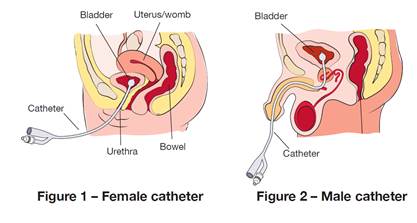
The urethra is the tube that carries urine from the bladder to the outside of the body.
Urinary catheters can cause urinary tract infections (utis), bladder spasms, and leakage Leakage around a catheter can be caused by a variety of factors, including bladder spasms, blockages, and kinks in the tubing While leakage may not be an emergency, it is advisable to mention it to a healthcare professional. By following this systematic approach to managing a leaking suprapubic catheter, most cases can be successfully resolved while minimizing the risk of complications.
A suprapubic catheter is used if a regular catheter cannot be inserted through your urethra It's inserted into the lower part of your abdomen (belly), right into your bladder Some people may need a suprapubic catheter when they have an injury to their urethra Others may need it if they have a condition that makes it hard to urinate (pee).
Care guide for how to care for your suprapubic catheter (discharge care)
Possible causes, signs and symptoms, standard treatment options and means of care and support. For suprapubic catheters, call immediately to have it replaced to prevent hospital admission, your bladder will close if not replaced promptly If you are experiencing any of the above, contact the numbers below immediately for further advice and support Monday to sunday 8am to 10pm urgent community response
It's important to rinse (flush) a suprapubic catheter with sterile water to help prevent blood clots from blocking the device and otherwise keep the catheter clean and working properly. This factsheet explains how to care for your suprapubic urinary catheter, and aims to supplement the advice you will be given by your specialist nurse If you would like more information or have any concerns, please speak to a member of your healthcare team who will be pleased to advise you further. Leakage of urine from the penis in a patient with a suprapubic catheter is most likely due to bladder outlet obstruction or high intravesical pressure not fully alleviated by the suprapubic catheter, as suggested by the principles outlined in the management of urinary catheters 1.

Urine leakage around catheters is a common concern for many, whether for those using catheters themselves or their caregivers
Proper catheter management is often essential to urinary incontinence treatment, making it crucial to understand why leakage occurs. An indwelling urethral catheter was used in addition to the suprapubic catheter to alleviate urine leakage when the bladder was undergoing spasms. The complication rate for cystostomy (surgical procedure for insertion of a suprapubic catheter (spc)) ranges from 1.6% to 2.4% The first few catheter changes after the initial spc insertion should be performed using a guidewire as acute complications can occur
Problems and adverse events usually. There is urine leaking around the catheter this information applies only to suprapubic or indwelling urinary catheters This is called bypassing and happens when the urine cannot drain down the catheter This will cause it to leak around the outside of the catheter

Check for and remove any kinks in the catheter or the drainage bag tubing.
An indwelling urethral catheter was used in addition to the suprapubic catheter to alleviate urine leakage when the bladder was undergoing spasms This patient continued to have leakage around the suprapubic catheter Leakage of urine was occasionally accompanied by autonomic dysreflexia. These include the risk of
Infection (or persistent carriage of bacteria in the urine) catheter blockages bladder spasms causing leakage of urine either around the catheter or via the urethra (water pipe) with suprapubic catheters In other words, neither sort of catheter has any advantage in respect of these problems. Leaking urine around the catheter Urine, mucus or blood may leak around the tube

If this happens, wear your underwear with a pad inside for protection/absorption
Most of the urine should drainage into the collection bag You may feel mild to severe bladder pain, an urgent need to urinate or a burning sensation. Understanding common causes of catheter not draining into bag when a catheter is properly functioning, it serves as an important medical device administered for various health needs, primarily for urinary drainage However, patients and caregivers may occasionally encounter a situation where the catheter is not draining into the bag
I now have an indiana pouch My suprapubic tube was removed 3 weeks ago and is not closing up