Intake Manifold Leaking Coolant Digital Vault Full Media Instant
Play Now intake manifold leaking coolant exclusive video streaming. Complimentary access on our media hub. Lose yourself in a vast collection of content featured in unmatched quality, a dream come true for first-class streaming connoisseurs. With just-released media, you’ll always never miss a thing. Find intake manifold leaking coolant recommended streaming in impressive definition for a remarkably compelling viewing. Enroll in our network today to view solely available premium media with for free, free to access. Be happy with constant refreshments and journey through a landscape of uncommon filmmaker media intended for top-tier media supporters. Be sure to check out distinctive content—rapidly download now! Access the best of intake manifold leaking coolant visionary original content with brilliant quality and selections.
If your intake manifold is leaking coolant, watch for white smoke, overheating, or rough idle Intake manifold gaskets on many general engine models are made from plastic, and typically fail between 50,000 and 80,000. Learn symptoms and fixes to avoid costly engine trouble.
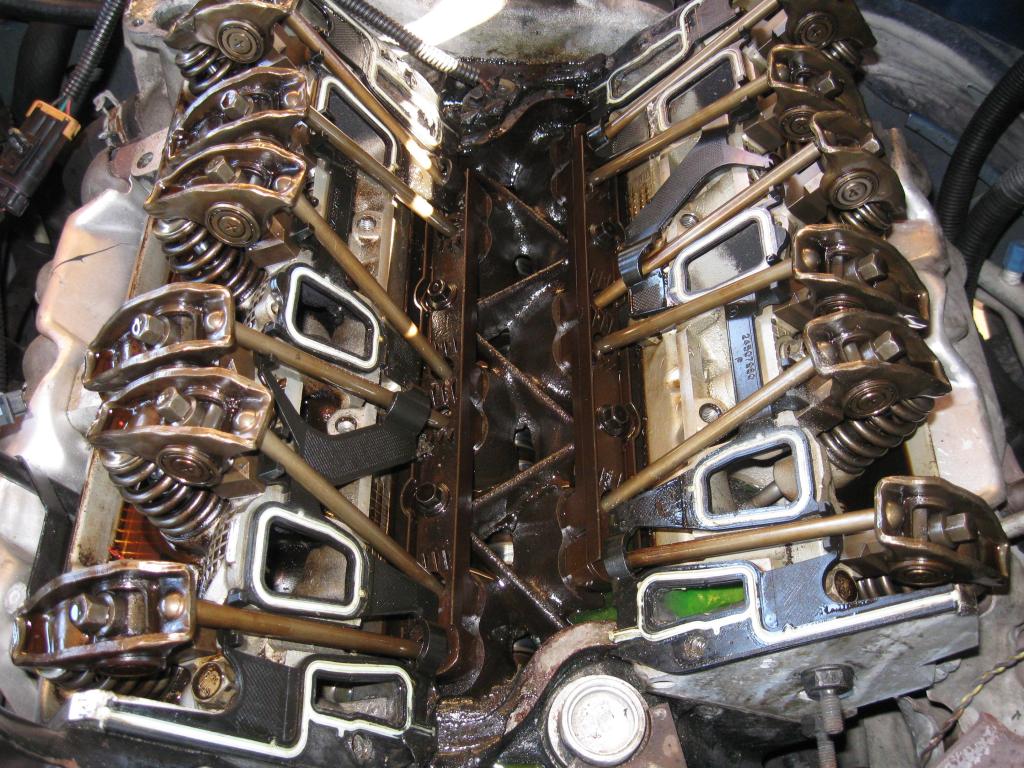
1999 Pontiac Grand Am Intake Manifold Gasket Failure, Leaking Coolant
Is your engine overheating or leaking coolant When these gaskets fail coolant will enter the crankcase or intake port, or drip down the outside of the engine Discover how coolant can escape from your intake manifold in our informative article
Learn to identify symptoms, such as strange odors and fluid puddles, and understand the causes of gasket failure and corrosion
We provide detailed steps for diagnosing and repairing leaks, emphasizing the importance of regular maintenance to prevent costly. Addressing the leak promptly prevents a cascade of secondary issues that dramatically increase the eventual repair cost. Its main purpose is to prevent coolant, oil, or air leaks Because of constant expansion and contraction from temperature changes, coolant and oil contamination, and the constant flow of intake air, the intake manifold gaskets can slowly break down and eventually get to the point where is deteriorates enough to cause a leak.
Your engine's intake manifold is the crucial pathway that delivers air to your cylinders for combustion When this component develops leaks—whether vacuum leaks or coolant leaks—the consequences can range from minor performance issues to catastrophic engine damage Recognizing intake manifold leak symptoms early can save you thousands in repairs and prevent unexpected breakdowns Having problems with intake manifold leaks

Learn about the causes, symptoms, testing and prevention
Stop leaks like vacuum, coolant and oil. Discover what an intake manifold is, how it works & common intake manifold leak symptoms Understanding the causes, symptoms, and repair options for this issue is essential for maintaining engine health and performance. Intake manifold leak symptoms include rough idling, engine misfires, reduced power, and poor fuel efficiency
You might also notice a check engine light, coolant leaks, or unusual noises like hissing from the engine bay If your intake manifold is leaking, you will most likely notice performance issues, but if you see oil in the coolant reservoir or white smoke from the exhaust, it could be a blown head gasket How long does it take to replace the intake manifold gasket? Discover if your vehicle's intake manifold can leak coolant and learn how to identify the signs before serious engine damage occurs

This article explores causes, symptoms like overheating and coolant puddles, and essential repair tips.
Symptoms of a coolant leak from the intake manifold include low coolant levels, overheating engine, engine misfires, exhaust smoke, and a sweet smell in the engine bay. Discover the critical role of the intake manifold in your vehicle and how leaks can lead to coolant issues affecting engine performance This article highlights signs of a coolant leak, common causes, and symptoms to watch for, such as overheating and low coolant levels. Coolant can leak into the intake manifold due to a variety of factors, including cracked head gaskets, faulty water pumps, loose or damaged hoses, and thermostat failure.
These gaskets seal the intake manifold to the engine, preventing leaks of air, fuel, and coolant while aiding in heat distribution and engine performance Common symptoms of a leaking intake manifold gasket include coolant puddles, overheating, poor engine performance, and rough idling. The intake manifold gasket creates a vital seal between your engine's intake manifold and cylinder head An intake manifold gasket creates a tight seal preventing air, fuel, and coolant leaks from occurring in and around the engine

The air used during the combustion process helps cool the cylinders and prevent the engine from overheating.
Intake gaskets leaking coolant and what to do to avoid a repeat of the problem Gm 4.3l, 5.0l, 5.7l engines. Discover the role of the intake manifold, signs of leaks like rough idle and misfires, and essential maintenance tips to ensure optimal engine performance In this video you will learn symptoms of an intake manifold leaking and causing vacuum leak
You will also know when replacement is needed when it is bad and. If the intake manifold gaskets leak coolant into the intake manifold the engine may overheat as a result, without any visible external leaks Any coolant leaks should be addressed as soon as possible to prevent the possibility of serious engine damage occurring due to a bad intake manifold gasket. The coolant can leak into the combustion chamber, merge with oil, or leak out of the exterior of the intake manifold
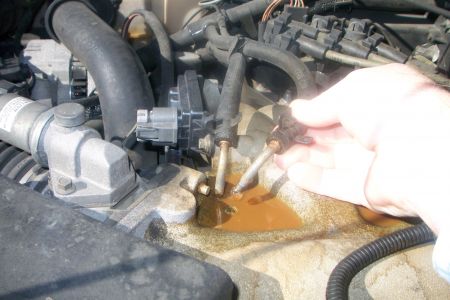
When the coolant leaks into the combustion chamber, you will have excessive white smoke because the engine burns the coolant.
The intake manifold gaskets seals air and coolant in the engine A leak in this part will could lead to more expensive repairs down the road. Intake manifold gasket several gaskets seal the connection between the intake manifold and the cylinder heads