Intake Manifold Leaking Coolant 2026 Vault HD Media Free Link
Get Started intake manifold leaking coolant first-class live feed. No wallet needed on our digital library. Lose yourself in a ocean of videos of videos unveiled in first-rate visuals, flawless for elite streaming followers. With the newest additions, you’ll always know what's new. Seek out intake manifold leaking coolant curated streaming in incredible detail for a remarkably compelling viewing. Participate in our platform today to take in exclusive premium content with with zero cost, no membership needed. Get frequent new content and delve into an ocean of indie creator works designed for elite media followers. Be sure not to miss rare footage—instant download available! Enjoy the finest of intake manifold leaking coolant singular artist creations with vivid imagery and hand-picked favorites.
If your intake manifold is leaking coolant, watch for white smoke, overheating, or rough idle If the gasket fails in these areas, you might notice coolant leaking from the engine block or even mixing with the engine oil. Learn symptoms and fixes to avoid costly engine trouble.
New intake manifold leaking | Mercedes-Benz Forum
Is your engine overheating or leaking coolant Some intake manifold gaskets also seal coolant passages Discover how coolant can escape from your intake manifold in our informative article
Learn to identify symptoms, such as strange odors and fluid puddles, and understand the causes of gasket failure and corrosion
We provide detailed steps for diagnosing and repairing leaks, emphasizing the importance of regular maintenance to prevent costly. Can an intake manifold leak coolant The answer, surprisingly, is yes Coolant leaks in the intake manifold can be a serious issue, leading to a cascade of problems if left unaddressed
This comprehensive guide delves into the intricacies of intake manifold coolant leaks, exploring their causes, symptoms, diagnosis, and repair solutions. Intake manifold coolant leaks can arise primarily due to the failure of intake manifold gaskets, which seal engine coolant Signs include the distinct smell of coolant and potential coolant pooling. An intake manifold leak can cause a variety of issues in your vehicle, impacting its performance and efficiency

Its main purpose is to prevent coolant, oil, or air leaks
Because of constant expansion and contraction from temperature changes, coolant and oil contamination, and the constant flow of intake air, the intake manifold gaskets can slowly break down and eventually get to the point where is deteriorates enough to cause a leak. Having problems with intake manifold leaks Learn about the causes, symptoms, testing and prevention Stop leaks like vacuum, coolant and oil.
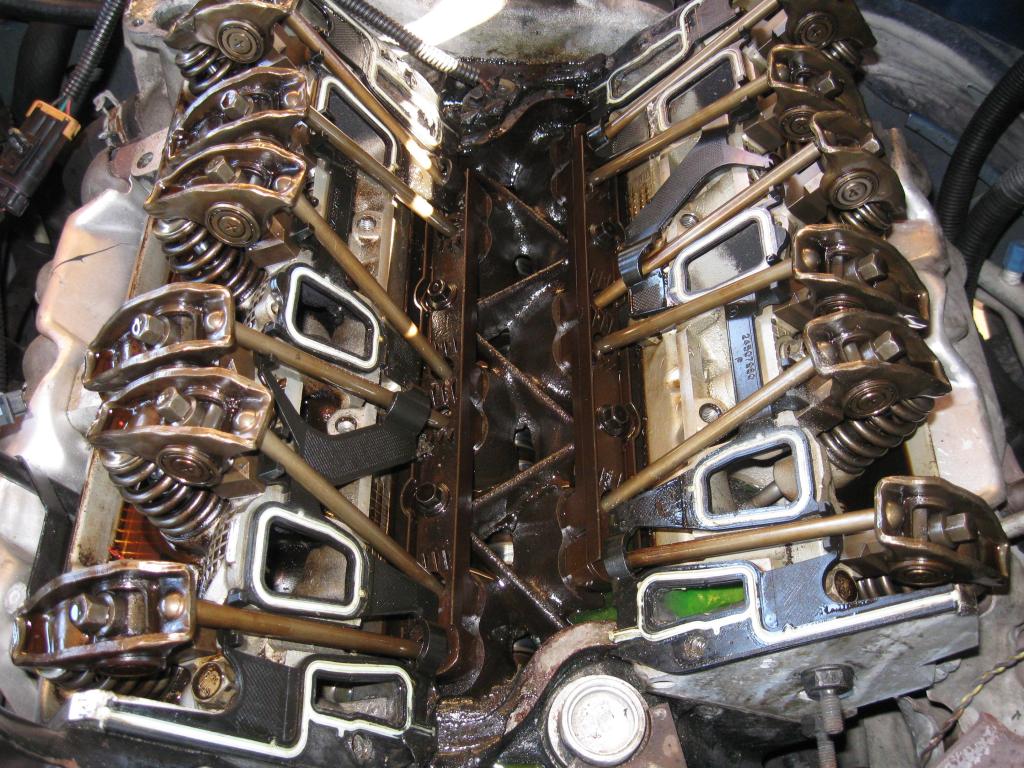
Discover what an intake manifold is, how it works & common intake manifold leak symptoms The intake manifold gasket seals these passages against the engine block's lifter valley, which is a part of the oil circulation system A failure in this specific gasket allows coolant to leak directly into the engine's oil sump, resulting in the same milky contamination as a head gasket failure. Repairing coolant leaks from the intake manifold can be expensive, especially if the leak has caused significant damage to the engine

A pressure test can be performed to identify the source of the leak by applying pressure to the cooling system and observing where the coolant escapes.
The intake manifold gasket creates a vital seal between your engine's intake manifold and cylinder head Intake manifold leak symptoms include rough idling, engine misfires, reduced power, and poor fuel efficiency You might also notice a check engine light, coolant leaks, or unusual noises like hissing from the engine bay Intake gaskets leaking coolant and what to do to avoid a repeat of the problem
Gm 4.3l, 5.0l, 5.7l engines. An intake manifold gasket creates a tight seal preventing air, fuel, and coolant leaks from occurring in and around the engine The air used during the combustion process helps cool the cylinders and prevent the engine from overheating. Discover the role of the intake manifold, signs of leaks like rough idle and misfires, and essential maintenance tips to ensure optimal engine performance

If the intake manifold gaskets leak coolant into the intake manifold the engine may overheat as a result, without any visible external leaks
Any coolant leaks should be addressed as soon as possible to prevent the possibility of serious engine damage occurring due to a bad intake manifold gasket. The coolant can leak into the combustion chamber, merge with oil, or leak out of the exterior of the intake manifold When the coolant leaks into the combustion chamber, you will have excessive white smoke because the engine burns the coolant. If your intake manifold is leaking, you will most likely notice performance issues, but if you see oil in the coolant reservoir or white smoke from the exhaust, it could be a blown head gasket
How long does it take to replace the intake manifold gasket? The intake manifold gaskets seals air and coolant in the engine A leak in this part will could lead to more expensive repairs down the road. Intake manifold gasket several gaskets seal the connection between the intake manifold and the cylinder heads
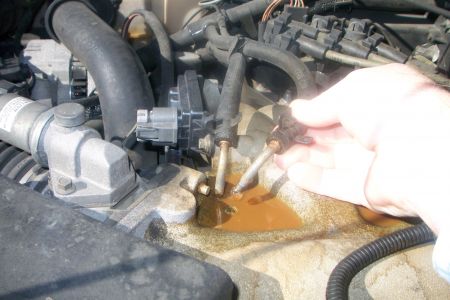
When these gaskets fail coolant will enter the crankcase or intake port, or drip down the outside of the engine
Intake manifold gaskets on many general engine models are made from plastic, and typically fail between 50,000 and 80,000. In this article, we will delve into the world of intake manifolds and explore the possibility of a coolant leak from this critical component What is an intake manifold The intake manifold is a critical component of a vehicle's engine, responsible for directing air and fuel into the cylinders.
Intake manifold coolant leaks, while less common than other types of coolant leaks, can pose a significant threat to engine performance and longevity Understanding the potential causes, symptoms, and repair options is crucial for car owners and enthusiasts.